“I can direct a film, but I cannot direct my child’s life.”
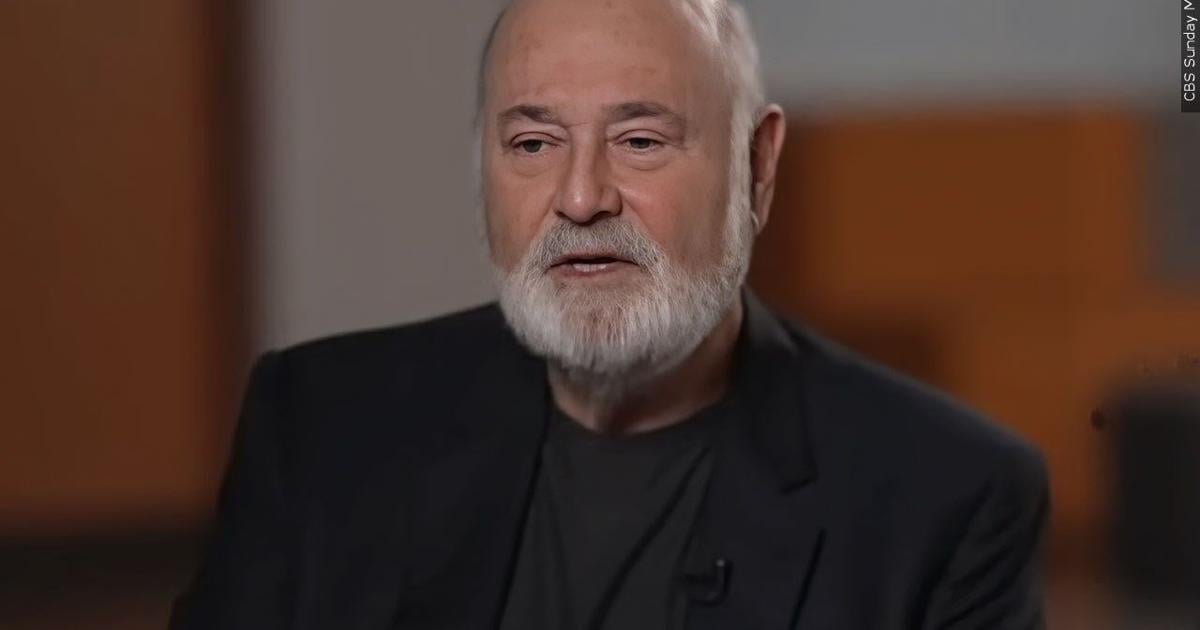
Rob Reiner once said that sentence softly, almost as if he were afraid of how true it sounded when spoken aloud. Over time, it became the line most closely associated with him—not because it summarized his career, but because it revealed something far more unsettling: the helplessness of a father who spent a lifetime mastering stories, yet could not rewrite the one that mattered most.
Behind the celebrated director of When Harry Met Sally, The Princess Bride, and Stand by Me—films that taught generations about love, loyalty, and decency—there existed a private life shaped by unresolved anguish. Long before the public began to speculate about his family, Rob Reiner had already been living with a grief that had no clear ending.
Two weeks before one of his most candid interviews, Reiner admitted something he had never dared to say publicly before:
“The boy has been through rehab seventeen times. He’s failed every one of them. He could take my life at any moment.”
Those words were not spoken for drama. They were spoken because silence had become heavier than truth.
A Father, Not a Director
When Rob Reiner finally spoke openly about his son, it was not during a press tour or a promotional appearance. It happened under studio lights, in a quiet interview setting, after the host asked a gentle question about family.
Reiner did not answer immediately.
He leaned forward, pressed his lips together, and stared down at his clasped hands. The pause lingered long enough to make the room uncomfortable.
“There are things you only understand once you become a father,” he said at last. “And there are things—even after being a father your entire life—that you still cannot fix.”
For the first time, he spoke directly about Nick Reiner.

Nick Reiner was born in 1993, the son of Rob Reiner and Michelle Singer Reiner. He grew up in a household where creativity was not exceptional—it was ordinary. Film sets, scripts, and actors were part of daily life.
From the outside, Nick seemed to have everything: wealth, access, and a surname that opened doors without knocking. But what outsiders could not see was the weight of expectation.
Nick was not just Rob Reiner’s son.
He was Carl Reiner’s grandson.
Those two names were not simply famous. They were standards—immovable, towering, and impossible to ignore. Success was assumed. Mediocrity was unacceptable. And failure was unthinkable.
Nick later admitted that he and his father were never particularly close when he was young. Rob loved him, but much of his life belonged to work. The affection existed, but it never solidified into an anchor.
That distance mattered more than anyone realized.
When Pressure Turns Inward
While other members of the family found steady paths—Jake Reiner in acting and producing, Romy Reiner in independent film, Tracy Reiner in her own acting career—Nick’s life moved differently.
Not because he lacked talent or opportunity.
But because something inside him never settled.
Rob Reiner once reflected, “The boy grew up under the lights. But the lights aren’t always warm.”
Nick’s struggle did not begin dramatically. It started quietly.
He came home later.
Spoke less.
Looked away more often.
At fifteen, he began drinking. At first, it seemed harmless—experimentation, nothing alarming. Then alcohol became a gateway, not for thrill, but for silence.
For the first time, Nick could escape the voice asking who he was supposed to become.
In those moments, he was not Rob Reiner’s son.
Not Carl Reiner’s grandson.
Just someone allowed to exist without comparison.

Seventeen Attempts to Save a Life
Rob confronted his son carefully. There were no threats. No shouting. Just a father choosing his words as if precision might save them both.
Nick listened. He nodded. He promised to try.
For a while, things appeared stable.
Then came rehab.
Then another.
Then another.
Seventeen times.
Each time Nick left treatment, Rob was there waiting—no cameras, no announcements, just a father standing quietly. But addiction does not respect love, money, or presence.
There were periods when Nick refused treatment entirely. Times when he drifted into homelessness. Times when phone calls came in the middle of the night with voices that said just enough to trigger panic.
“There’s one thing no one prepares you for,” Rob admitted. “It’s learning how to lower your hope so it doesn’t hurt as much every time.”
Turning Pain Into Film
In 2015, Rob Reiner made Being Charlie—a film about a young man trapped in addiction, unable to accept help despite his family’s love.
It was not meant as entertainment.
“I didn’t make that film to save my son,” Rob said. “I made it to understand my son.”
Nick understood what the film meant. He stood near his father on set, watched him work, and for the first time truly saw the man behind the title.
It helped him feel loved.
But love alone did not cure addiction.
There was no miracle ending.
As Rob struggled with his son’s ongoing battle, he suffered another loss—the death of Carl Reiner.
To the world, Carl’s passing marked the end of a legendary career. To Rob, it meant losing his compass.
Carl had been the one person Rob could call without explanation. The one voice that told him the truth without cruelty.
After his father’s death, Rob found himself picking up the phone out of habit—then setting it down.
The loneliness that followed had nothing to do with fame or success. It came from losing the person who understood him at his core.

A Career That Slowly Fell Silent
Hollywood changed.
Meetings grew shorter.
Projects stalled.
Responses never came.
There was no dramatic rejection—only the slow realization that his stories were no longer being awaited.
“I felt like I was still talking,” Rob once said. “But I wasn’t sure anyone was listening anymore.”
Cinema, once his refuge, was no longer immune to loss.
In his later years, Rob Reiner became more politically outspoken. He did not do so for attention, but from conviction. Still, it came at a cost.
Friends drifted.
Audiences divided.
Conversations hardened.
He was no longer seen simply as a storyteller, but as a symbol—something he never intended to become.
There were moments when he wondered whether silence would have been easier.
Then he reminded himself that silence bought at the cost of belief was no peace at all.
A Life Without Final Authority
Some people age with the calm of neatly closed chapters.
Rob Reiner did not.
He entered his later years carrying unfinished stories—especially the one that mattered most.
He spent his life controlling emotional rhythms for audiences around the world. And then, at last, he had to live inside a story he could not direct.
Perhaps that is why, when people speak of Rob Reiner now, they do not remember him only as a great director or a controversial voice.
They remember him as a man who tried—honestly and imperfectly—to do what was right in his work, his beliefs, and his family.
Even when the cost was far greater than he ever imagined.
News
El hijo negado de Julio Iglesias: cincuenta años de silencio, poder y una verdad que la ciencia no pudo imponer
Imagínate por un momento que el mundo entero te conoce. Que tu voz suena en cada rincón del planeta, que tu fortuna es tan descomunal que podrías comprar islas enteras y que millones de personas te veneran como a un…
Una soltera en ‘First Dates’ se rebela contra el guion, negándose a revelar una importante información: «Es la única pregunta que no contesto»
Nada más verse las caras, Donio y Karmele tuvieron claro que no llegarían a nada durante la cita. De su cita no les gustó absolutamente nada. A Celedonio ‘Donio’, el Camino de Santiago le cambió la vida. Algo le hizo…

Preguntan a Jordi Évole qué opina sobre la RTVE de Pedro Sánchez y su respuesta es clara: «Dejé de verla durante un tiempo»
El periodista de laSexta no se corta y dice lo que piensa sobre la cadena pública y las recientes acusaciones de ‘mala praxis’ por ofrecer a los ciudadanos un «contenido sesgado» El pasado mes de diciembre, a punto de poner…

Anabel Pantoja, en shock tras el trágico accidente ferroviario de Córdoba: «Venía en el tren justo de antes»
La influencer comparte su conmoción tras el descarrilamiento en Adamuz, donde han muerto al menos 39 personas, y envía un mensaje de apoyo a las víctimas, sus familias y al pueblo volcado en la ayuda. Hay noticias que sacuden al…
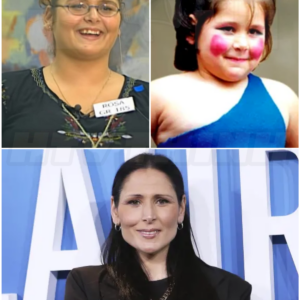
Antes de ser ‘Rosa de España’: la dura infancia de Rosa López y los trabajos que marcaron su vida
Mucho antes del éxito, la cantante ayudaba a su familia a salir adelante entre trabajos precarios, música y una economía siempre al límite. La vida de Rosa López dio un giro radical en 2001, cuando cruzó por primera vez la…

La asistente personal de Aitana abandona el barco antes de comenzar su gira mundial
Según ha informado ‘Look’, su mano derecha ha decidido afrontar otros proyectos lejos de la artista catalana. Dicen que la ruptura ha sido amistosa, aunque llega en un momento inoportuno para la cantante. La cantante catalana Aitana se ha quedado…
End of content
No more pages to load