The Final Curtain: César Costa’s Last Act of Silence

In the dimming light of a fading star, César Costa stood alone.
The world had known him as a titan of the screen, a man who danced with fame and flirted with immortality.
But now, at 83, the spotlight that once bathed him in adoration was colder, harsher—an unforgiving judge.
For decades, César Costa had been a symbol of vibrancy, a beacon of charisma that lit up every frame he graced.
His smile was a lighthouse in the stormy seas of showbiz, guiding fans through decades of joy and heartbreak.
Yet, beneath the shimmering veneer, a tempest brewed—a silent unraveling that no camera could capture.
The announcement came like a thunderclap in a clear sky: César Costa, the immortal actor, was facing “bad news.
 A phrase so simple, yet so loaded, it shattered illusions and fractured hearts in an instant.
What was once a mythic figure was now painfully mortal, vulnerable in ways the public had never imagined.
Behind closed doors, the man who had played countless roles was now confronting his most harrowing script: his own decline.
The mirror reflected not the youthful hero of yesteryears, but a fragile soul wrestling with time’s merciless grip.
Each wrinkle, a line etched by battles fought in silence; each sigh, a whisper of dreams slipping through trembling fingers.
César Costa’s story was not just about fading fame—it was a brutal exposé of loneliness in the limelight.
The crowds had cheered, the cameras had flashed, but no one saw the cracks beneath the dazzling façade.
It was a cruel irony that the man who brought so much light to others now found himself engulfed in shadows.
In the quiet moments, when the world’s applause faded to a haunting echo, he grappled with an unbearable truth.
The roles he once mastered now seemed like distant echoes, ghosts of a past life slipping away with every breath.
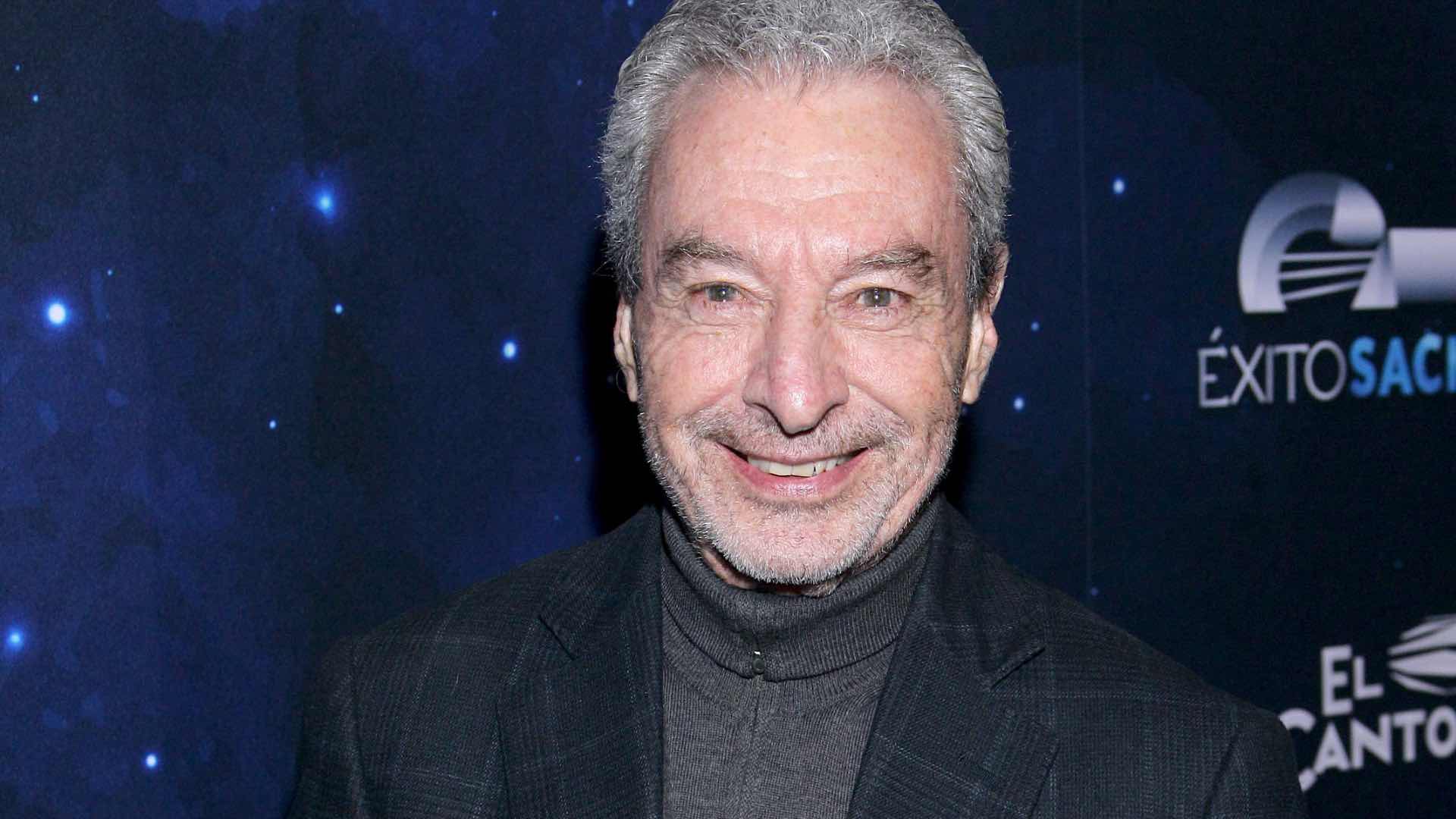
And yet, in this twilight, there was a fierce, defiant spark—a refusal to be erased without a final, unforgettable act.
His family, his fans, the industry—all stood on the precipice of disbelief and grief.
How do you say goodbye to a legend who seemed eternal?
How do you reconcile the immortal image with the fragile man who now faced his mortality?
But then, the story twisted like a knife in the heart.
The “bad news” was not just an ending—it was a revelation, a secret long buried beneath the glittering surface.
An unexpected betrayal by fate, a cruel plot twist no one saw coming.
As the truth emerged, it was as if the very fabric of his life was being pulled apart, thread by thread.
The man who had captivated millions was now a prisoner of his own silence, trapped in a narrative he could no longer control.
His final act was not on screen—it was a raw, unfiltered confession to the world, a heart laid bare in the harshest spotlight.

In this cinematic unraveling, César Costa became more than an actor—he became a symbol of human fragility.
A reminder that beneath every legend lies a man, flawed and vulnerable, fighting battles unseen.
And as the curtain fell, the world watched in stunned silence, witnessing the tragic, beautiful collapse of a star.
This was not just the end of a career—it was a reckoning, a dramatic finale that shattered illusions and demanded truth.
The legacy of César Costa would forever be tinged with the bittersweet taste of his final, shocking revelation.
A story that Hollywood itself could envy—rich with emotion, betrayal, and the haunting beauty of a star’s last light.
And in that fading glow, we are reminded: every star must one day face its night.