The Unraveling: A Call for Justice in the ANC
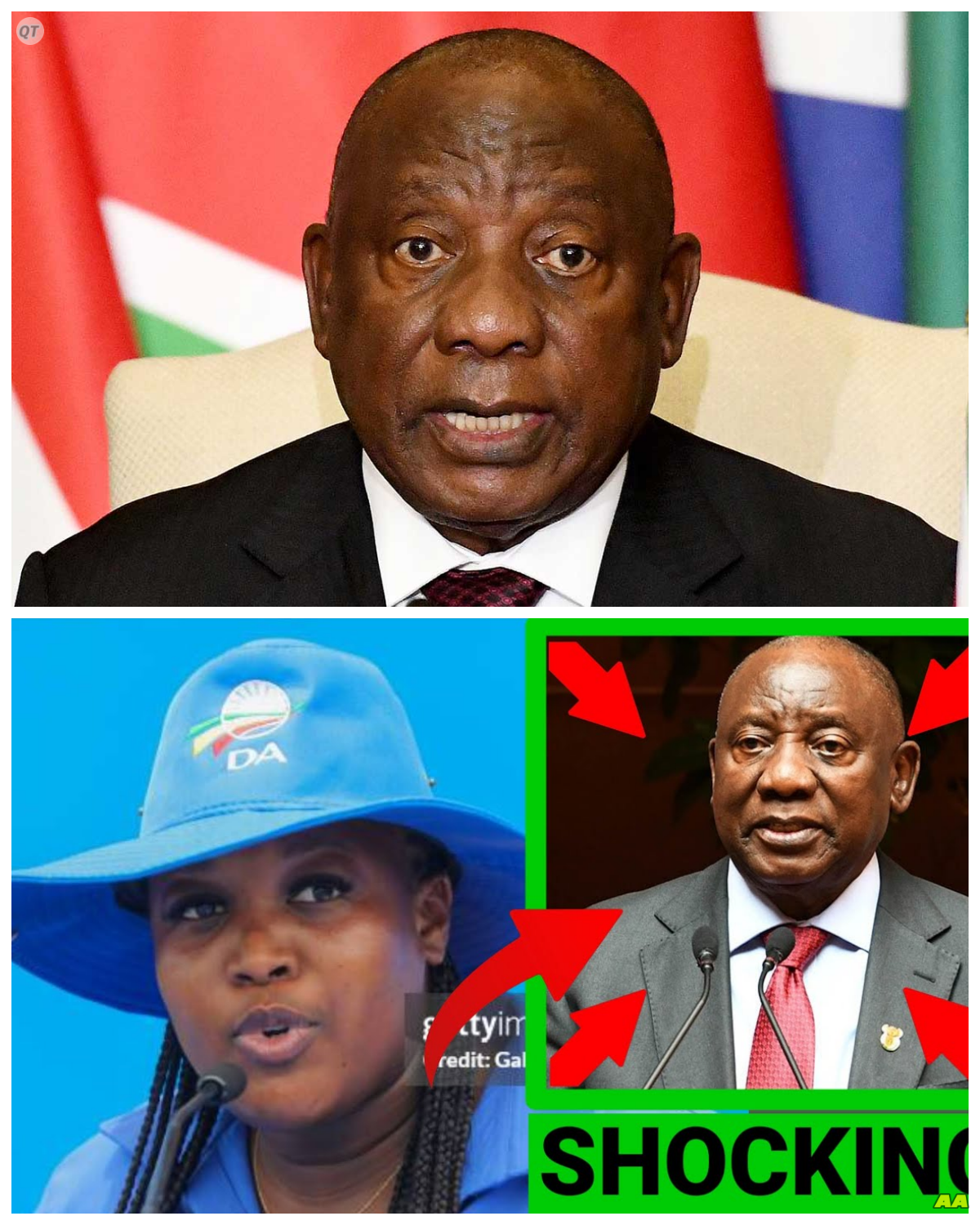
In the heart of South Africa, a political thunderclap echoed through the halls of Luthuli House, the headquarters of the African National Congress.
The air was thick with tension as senior ANC figure Nomvula Mokonyane stood before her peers, her presence commanding yet fraught with urgency.
What began as a routine integrity committee briefing quickly spiraled into chaos, a moment that would be etched in the annals of ANC history.
With a voice that resonated through the room, Mokonyane delivered words that would shatter the fragile facade of loyalty that had long protected the powerful.
“The time for silence is over,” she declared, her eyes blazing with conviction.
Gasps filled the room as she continued, “We can no longer pretend. If the law applies to ordinary citizens, it must apply to the President as well.”
In that instant, the atmosphere shifted from one of complacency to panic.
The implications of her statement were monumental; she had called for the immediate arrest of President Cyril Ramaphosa, a move that sent shockwaves through the ruling party.
In the moments that followed, chaos erupted.
Senior ANC members scrambled for their phones, urgently contacting allies and bodyguards, while others stood in stunned silence, grappling with the enormity of what had just transpired.
Mokonyane had ignited a firestorm, and the flames of dissent quickly spread.
As the news of her directive reverberated through the corridors of power, panic engulfed the ANC headquarters.

Emergency caucuses were convened, and provincial leaders demanded clarity on the unfolding crisis.
Younger MPs, sensing the fragility of their positions, whispered among themselves, “If the President can fall this fast, who is next?”
The atmosphere was electric with fear and uncertainty, a stark reminder that the very foundation of the ANC was beginning to crack.
Ramaphosa loyalists quickly struck back, dismissing Mokonyane’s call as a reckless political stunt.
One senior ANC NEC member, speaking anonymously, remarked, “This is not about the law. This is about settling scores. They want to burn the house because they don’t control it.”
But behind closed doors, the tone was markedly different.
Sources revealed that Ramaphosa’s inner circle was deeply concerned that the narrative had slipped from their grasp, particularly among grassroots members who were already disillusioned by economic hardship and rampant corruption.
As the sun set on that fateful day, the political landscape of South Africa was shifting beneath their feet.
Members of the opposition seized the moment, calling for emergency sessions in Parliament.
The Economic Freedom Fighters celebrated openly, while the Democratic Alliance issued statements demanding full transparency.
Social media exploded with hashtags like #ArrestRamaphosa and #ANCInCrisis, capturing the public’s attention and fueling a growing sense of unrest.
Nomvula Mokonyane emerged as a polarizing figure, viewed by some as a bold truth-teller willing to risk her career for accountability, while others accused her of igniting chaos in a room full of gasoline.
Political analysts warned that her actions had irrevocably changed the balance of power within the ANC.
“Once the idea of arresting a sitting ANC president enters internal discourse,” one analyst noted, “there is no going back. Authority fractures. Fear takes over.”
As night fell, the ANC found itself at war with itself.
Meetings continued into the early hours, whispers of suspensions and purge lists circulating among the anxious members.
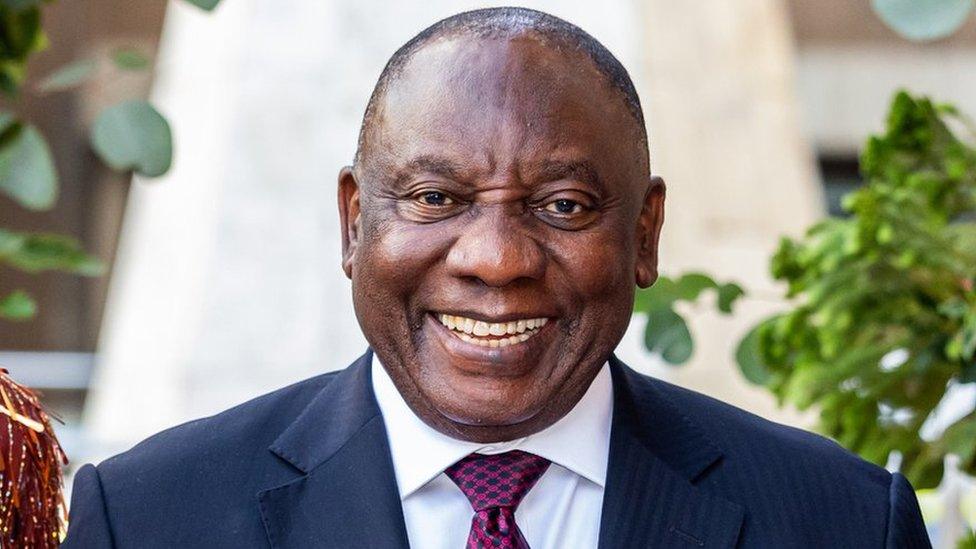
Security around key figures was heightened, and the atmosphere was thick with paranoia.
Would Ramaphosa survive this unprecedented political storm, or was this the beginning of the end for the ANC?
The following days were marked by a palpable sense of dread.
Mokonyane stood her ground, unwavering in her belief that accountability was paramount.
She faced backlash from Ramaphosa’s supporters, who accused her of betrayal, but she remained resolute.
In her mind, the integrity of the party was at stake, and she could no longer stand by while corruption festered at the highest levels.
As the crisis deepened, the public began to take notice.
Protests erupted across the country, with citizens demanding justice and accountability from their leaders.
The streets of Johannesburg became a battleground for those who sought change, and Mokonyane found herself at the forefront of a movement that was gaining momentum.
But the forces aligned against her were formidable.
Ramaphosa’s allies launched a counter-offensive, attempting to discredit Mokonyane and paint her as a power-hungry opportunist.
Statements were leaked, framing her actions as a desperate bid for attention rather than a genuine call for reform.
Yet, the more they attacked, the more support Mokonyane garnered from those who had grown weary of the status quo.
As the political landscape shifted, the ANC found itself divided into factions, each vying for control.

The infighting threatened to tear the party apart, and whispers of a potential coup began to circulate.
Ramaphosa, sensing the danger, attempted to regain control by reaching out to disillusioned party members.
He called for unity, urging the ANC to come together in the face of external threats.
But his words fell on deaf ears as the rift within the party deepened.
Mokonyane continued to rally her supporters, emphasizing the need for transparency and accountability.
She became a symbol of hope for those who believed in a better future, a beacon of light in a darkening political landscape.
As the weeks passed, the situation escalated.
Parliament was in turmoil, and the opposition seized every opportunity to undermine Ramaphosa’s leadership.
The pressure mounted, and the once-unshakeable foundation of the ANC began to crumble.
Finally, the moment of truth arrived.
In an emergency session of Parliament, Mokonyane stood before her peers, her voice steady and resolute.
“We cannot allow fear to dictate our actions,” she proclaimed.
“We must hold ourselves accountable, starting with our leaders. If we do not act now, we risk losing everything we have fought for.”
The room fell silent, the weight of her words hanging in the air.
In that moment, the tide began to turn.
Members of the ANC, weary of the infighting and corruption, began to rally behind Mokonyane’s call for justice.
The unity she had sought was beginning to materialize, and for the first time, it felt as though change was within reach.
But as the momentum built, so too did the resistance from Ramaphosa’s camp.
They launched a final, desperate attempt to discredit Mokonyane, resorting to underhanded tactics and smear campaigns.
Yet, the public was no longer swayed by their tactics.
A groundswell of support for Mokonyane surged, and the calls for accountability grew louder.

In a shocking twist, the pressure became too much for Ramaphosa to bear.
Facing mounting criticism and a party on the brink of implosion, he announced that he would step down as President of the ANC.
The news sent shockwaves through the nation, and the political landscape was forever altered.
As Mokonyane stood before the cameras, she felt a sense of vindication wash over her.
This was not just a victory for her; it was a victory for the people of South Africa who had long yearned for change.
In the aftermath of Ramaphosa’s resignation, the ANC began to rebuild.
Mokonyane emerged as a key figure in the new leadership, championing the cause of transparency and accountability.
The party faced a long road ahead, but the cracks in the old guard had opened the door for a new era of governance.
As she reflected on the tumultuous events that had unfolded, Mokonyane understood that the battle was far from over.
The fight for justice and integrity in South African politics was ongoing, but for the first time in years, there was hope.
The ANC was no longer just a party; it was a movement, a collective of voices demanding change.
And as the sun set over Johannesburg, the promise of a brighter future began to illuminate the path ahead.
The political thunderclap that had once threatened to tear the ANC apart had become a catalyst for transformation, a reminder that even in the darkest of times, the spirit of resilience could prevail.
In the end, Nomvula Mokonyane had not just challenged a president; she had ignited a revolution, one that would resonate through the corridors of power for generations to come.