The Hidden Pain Behind the Spotlight: The Shocking Truth About Makadzi and Master KG
Makadzi once concealed bruises beneath layers of makeup before stepping onto a stage, hiding the harsh reality of her private life from adoring fans.
The pressure to maintain a perfect image while suffering in silence is a cruel paradox many public figures face.
Behind the scenes, the pain she endured was invisible to the crowd, but it was real, raw, and devastating.
According to close sources, the pressures on Makadzi were not just personal but deeply cultural.

Master KG’s family reportedly disapproved of her, citing tribal differences and concerns over her “fit” within their world.
This family pressure allegedly extended beyond words, influencing how Master KG treated Makadzi—sometimes with cruelty disguised as discipline or control.
In many African households, family expectations can overshadow the reality of a couple’s relationship.
Public smiles often hide private torment.
For Makadzi, this meant enduring abuse to keep up appearances and protect a career she had fought hard to build.

The fear of losing everything—her livelihood, her fans, her reputation—became chains binding her to silence.
Friends noticed subtle changes: mood swings, sudden silences, unexplained injuries.
Yet, these signs were often dismissed as “industry stress.”
It’s a common mistake to assume strength means all is well.
But strength can be a mask worn to hide suffering.

Whispers began circulating about the nature of the abuse.
Insiders revealed that Makadzi confided to close friends about being “beaten like a chicken” during heated arguments with Master KG.
Despite this, she chose to keep quiet publicly.
Master KG denied these allegations, leaving fans divided—some defending him fiercely, others demanding accountability.
The story exposes a painful truth about abuse: it often hides behind charm, fame, and smiles.

Love should never leave bruises or break spirits.
Yet cultural norms sometimes pressure women to endure violence quietly, fearing shame or ostracism if they speak out.
Makadzi’s pride in her roots reportedly made it even harder for her to break the silence.
Late one night, she allegedly sent a desperate message to a friend, begging for a safe place to stay, only to delete it moments later.
Fear and uncertainty silenced her plea—a tragic reminder of how hard it can be to ask for help when trapped in abuse.

Why would someone return to such a relationship? The cycle of abuse is complex.
Reports say Makadzi left Master KG multiple times but was drawn back by promises, apologies, and societal pressures urging her to “fix it privately.”
Isolation, manipulation, and fear often convince victims they are responsible for the abuse they endure.
Fans noticed her energy shift.
Once a fiery force on stage, her movements slowed, her smiles seemed forced, and her eyes grew tired.

Comments asking if she was okay were met with laughter and dance, masking a heavy heart.
Fame cannot shield someone from the toll of living in fear.
Master KG’s swift denial of the abuse allegations followed a familiar pattern: dismiss, deflect, and protect one’s public image.
Meanwhile, victims are left doubting themselves, their stories questioned and pain minimized.
It’s crucial to watch actions, not just words.

When behavior contradicts statements, believe the truth beneath.
Makadzi’s family reportedly saw the pain she hid.
Her calls grew shorter, visits less frequent, and her eyes told stories she wouldn’t voice.
Her mother’s heartbreak was palpable—a desperate plea for her daughter to escape a relationship built on fear and control.
This is a heartbreak shared by many families watching loved ones suffer in silence.

Financial control also played a role.
Despite her fame, Makadzi allegedly felt trapped by financial pressures that forced her to maintain the partnership for business and image reasons.
Abuse isn’t always physical; controlling money, freedom, and social connections is a form of violence that can be just as damaging.
Makadzi’s discreet visits to doctors to treat injuries without drawing attention reveal a hidden struggle.
Fear of judgment kept her silent even from medical professionals.

These quiet cries for help remind us that some wounds are invisible but no less real.
In her final posts, Makadzi shared messages about strength and survival, subtle signals of her inner battle.
Fans who paid close attention began connecting the dots, realizing she was fighting more than just career challenges—she was fighting for her life.
The fallout from these revelations has put Master KG’s career under scrutiny.
While investigations proceed quietly, the public and industry insiders are watching closely, demanding justice and systemic change.

This case shines a light on the darker side of fame—where success does not guarantee safety or happiness.
Makadzi’s story is a powerful reminder that abuse can touch anyone, regardless of status or success.
It calls on us to stop ignoring warning signs and start believing survivors.
The fight is bigger than one person; it’s about transforming an industry and society that often turns a blind eye.

For those trapped in similar situations, Makadzi’s story offers hope and a call to action: seek support, speak up, and choose life.
Your safety and dignity are worth more than fame or money.
This painful truth challenges us all to listen more closely, act more compassionately, and protect those who suffer in silence.
Real stories like Makadzi’s deserve to be heard, honored, and used to fuel change.
News
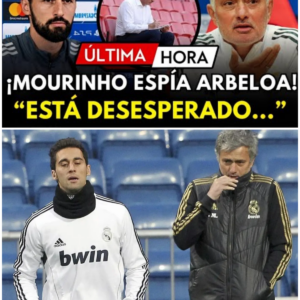
🚨¡MONUMENTAL ENFADO DE ARBELOA! CAZAN A MOURINHO ESPIANDO EL ENTRENAMIENTO DEL REAL MADRID EN LISBOA – HTT
🚨¡Traición en Lisboa! Mourinho espiando el entrenamiento del Real Madrid desata el monumental enfado de Arbeloa La tarde en el Estadio da Luz de Lisboa no fue una preparación más para el Real Madrid. Mientras el equipo blanco entrenaba para…

🚨COMUNICADO URGENTE de Juan Carlos I DESTROZA a Letizia y Felipe y los acusa de CONSPIRACIÓN – HTT
¡JAQUE AL REY EMÉRITO! Juan Carlos I denuncia conspiración de Letizia y Felipe: “Quieren destruirme desde Zarzuela” La polémica en torno a Juan Carlos I vuelve a encenderse con un comunicado que ha sacudido los cimientos de la Casa Real…

🙏Sara Carbonero CONFIRMA TRISTES NOTICIAS tras REFUGIARSE en su FAMILIA por su OPERACIÓN – HTT
Sara Carbonero rompe el silencio tras su operación urgente: “Mi mayor felicidad ahora es estar bien” Sara Carbonero ha confirmado, aunque con discreción, que atraviesa un momento delicado tras una operación de urgencia que la mantuvo ingresada durante 11 días…

Comentario inesperado del entrenador del Copenhague antes del duelo decisivo contra el Barcelona: respeto, confianza y estrategia al descubierto – HTT
Comentario inesperado del entrenador del Copenhague antes del duelo decisivo contra el Barcelona: respeto, confianza y estrategia al descubierto El entrenador del Copenhague compareció ante los medios con un mensaje claro: respeto profundo hacia el Barcelona, pero sin miedo ni…

🚨POLÉMICO ESTRENO de DecoMasters en TVE con BRONCA de Isa Pantoja y LAGRIMAS de Asraf – HTT
¡ESTRENO CON DRAMA! Deco Masters en TVE: Bronca explosiva de Isa Pantoja y lágrimas de Asraf que lo cambian todo Por fin llegó a la pantalla de TVE Deco Masters, un reality que prometía combinar creatividad y competición en el…
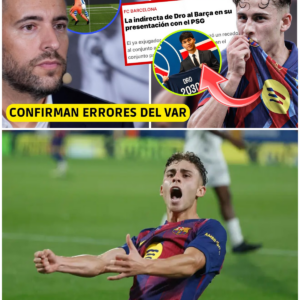
💥 FERMIN EXPONE a DRO tras SU SALIDA – JEFE ARBITROS CONFIRMA MANIPULACION del VAR – FICHAJE BARÇA – HTT
💥 Fermín desenmascara a Draw, jefe de árbitros confirma manipulación del VAR y Barça refuerza su proyecto La marcha de Draw al Paris Saint-Germain ha sido el centro de muchas críticas y comentarios negativos hacia el FC Barcelona. Sin embargo,…
End of content
No more pages to load