Arelys Henao and the Reason She Forgot the Name of Gustavo Petro’s Wife
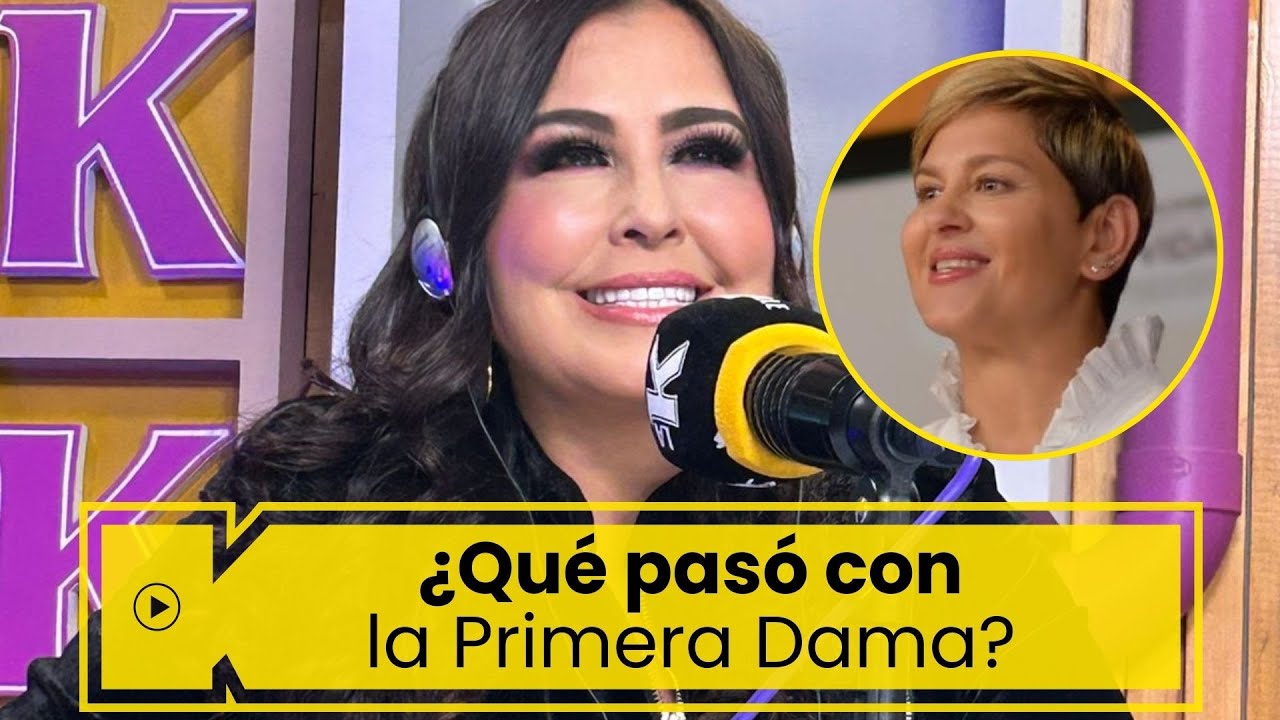
In a recent interview, Colombian singer Arelys Henao made headlines when she revealed an intriguing story about her encounter with the country’s First Lady, Verónica Alcocer. This revelation has sparked conversations among fans and political observers alike, shedding light on the intersection of celebrity and politics in Colombia.
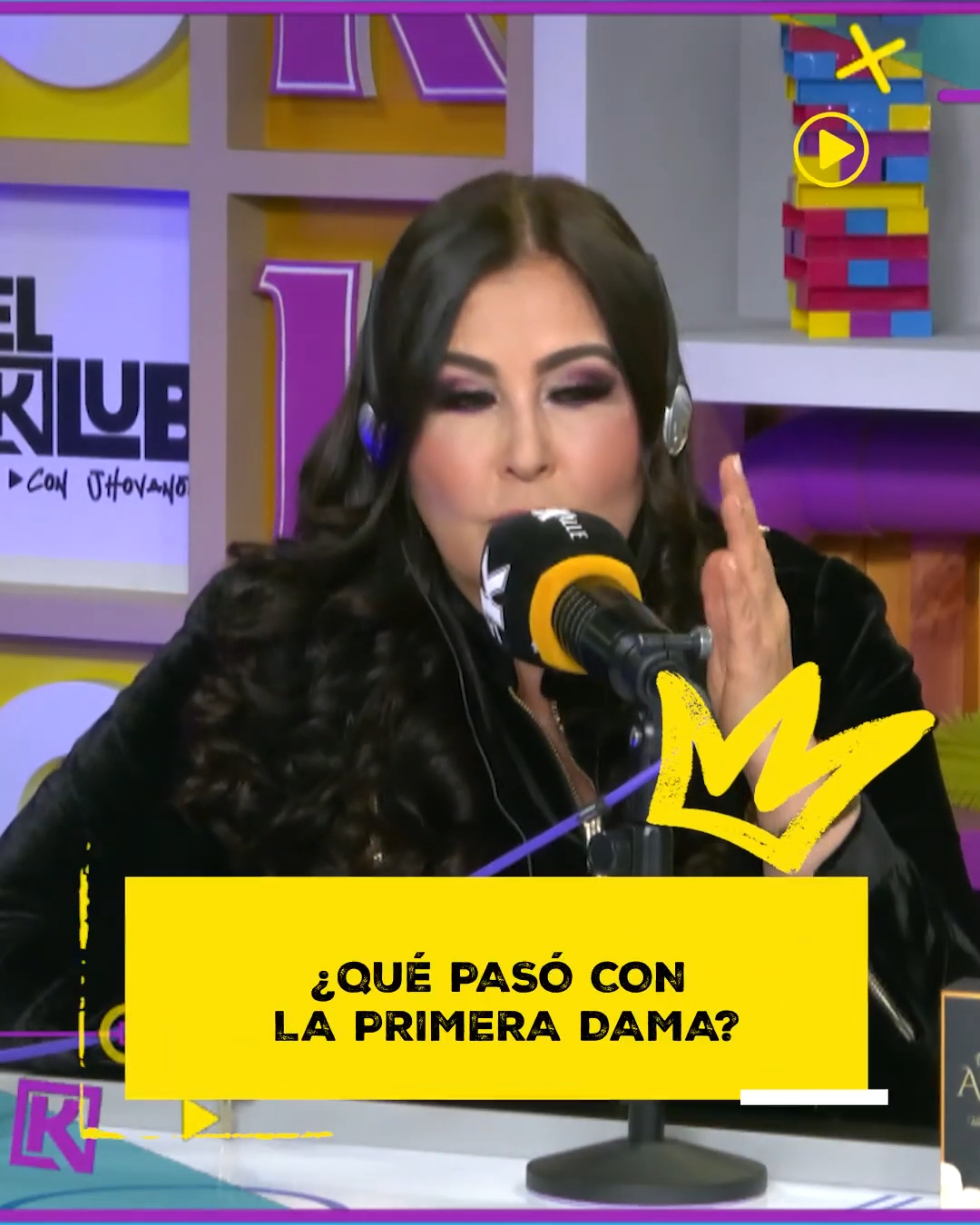
Arelys Henao, known for her powerful voice and emotive performances, was discussing her career and personal experiences when the topic of Gustavo Petro, the current President of Colombia, came up. Henao candidly admitted that she had momentarily forgotten the name of Petro’s wife during a conversation. This admission might seem trivial at first glance, but it highlights the often-overlooked human side of public figures.
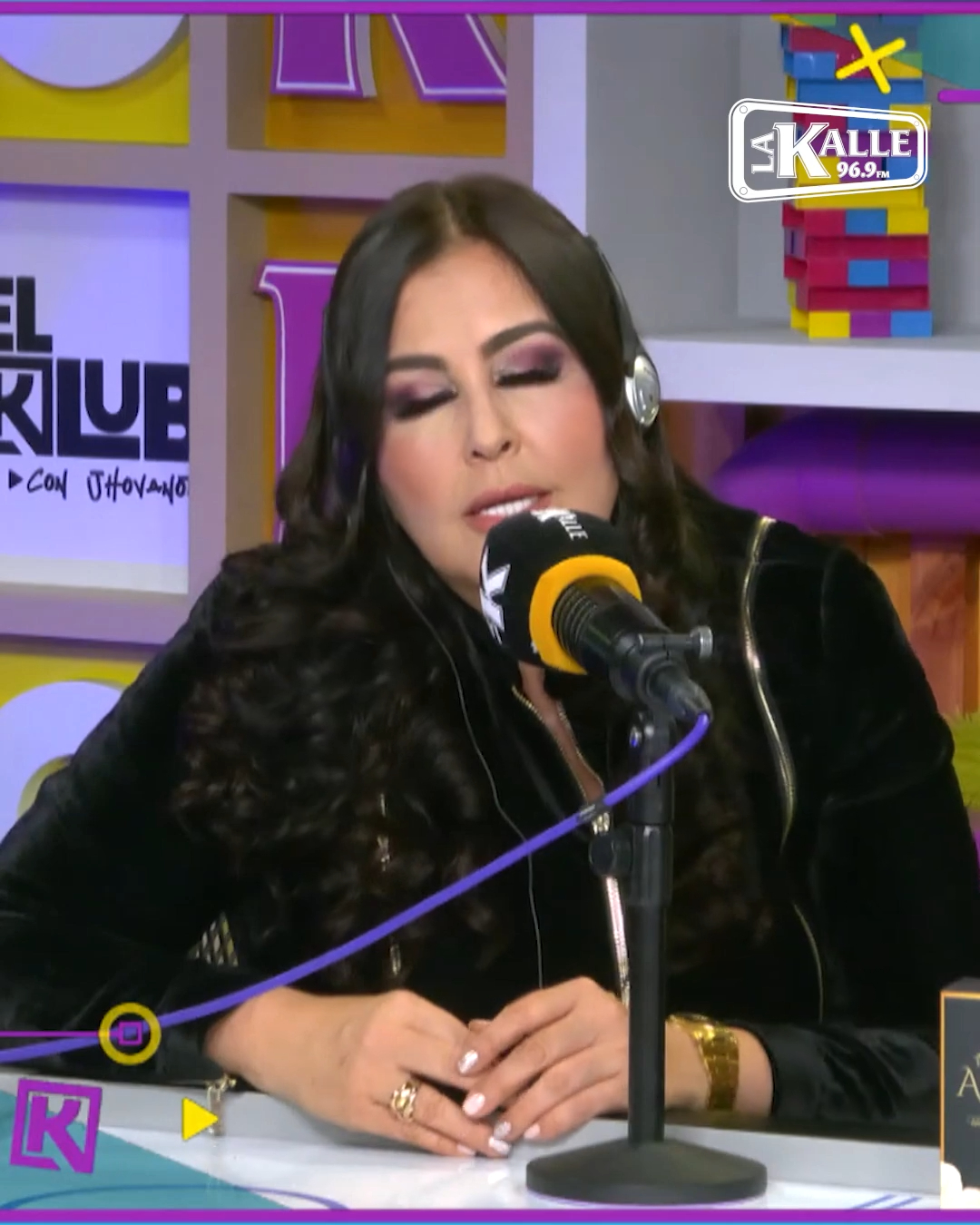
Public figures, whether in politics or entertainment, often face immense pressure to maintain a certain image. They are constantly under scrutiny, and their actions and words can be dissected by the media and the public. Henao’s admission serves as a reminder that even those in the spotlight are human and can experience lapses in memory or judgment.

The response to Henao’s comments has been mixed. Many fans have expressed empathy, understanding that everyone can forget names or details in casual conversations. Social media platforms have been abuzz with discussions about the pressures faced by public figures and how these pressures can sometimes lead to awkward situations.
Conversely, some critics have questioned Henao’s awareness of political matters, suggesting that as a public figure, she should be more informed about key political players in her country. This dichotomy of opinions underscores the challenges faced by celebrities who navigate both the entertainment industry and the political landscape.
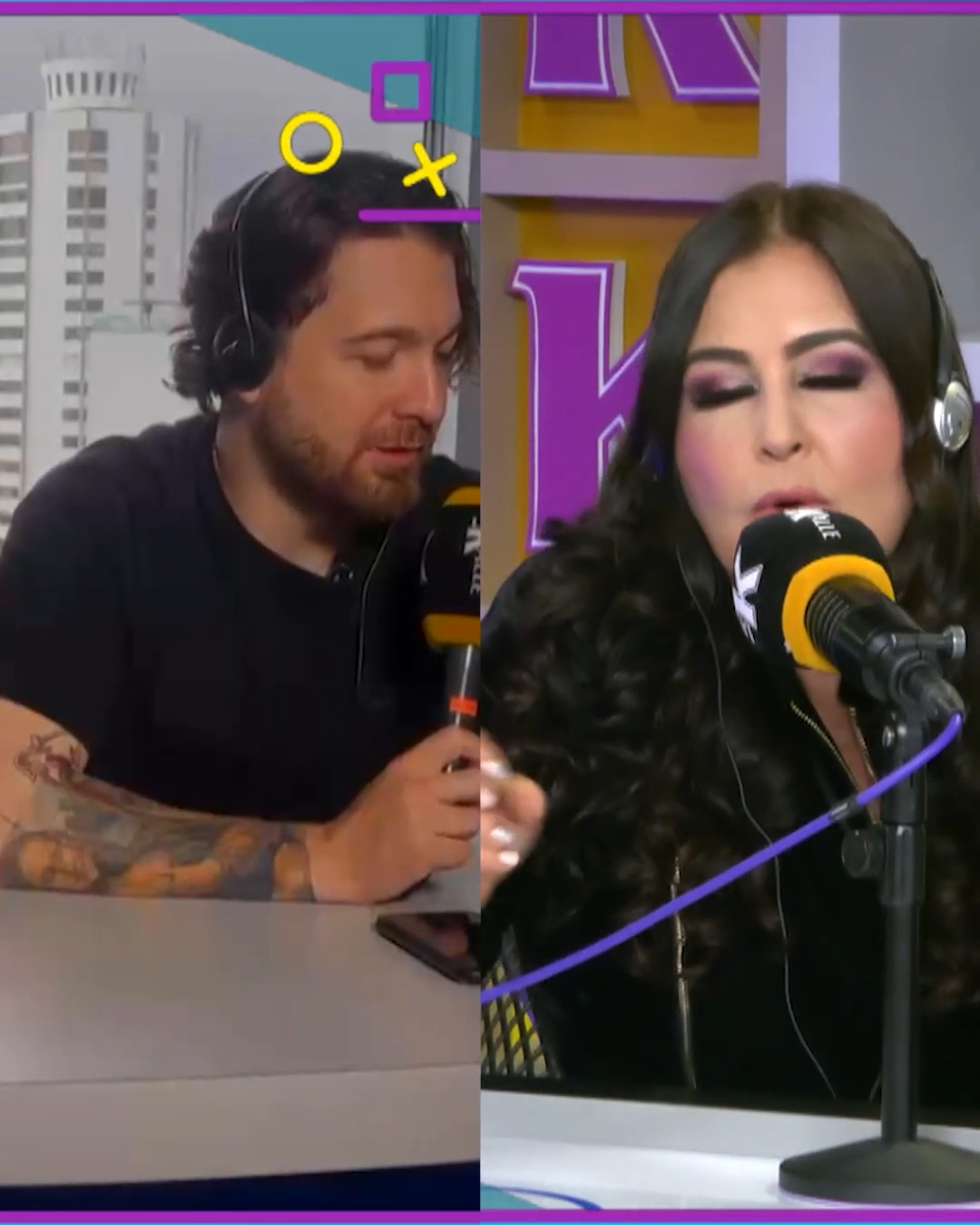
Arelys Henao is not just a singer; she is a cultural icon in Colombia. Her music often reflects the struggles and triumphs of everyday life, resonating with a diverse audience. Henao has built a loyal fan base over the years, and her candidness in interviews has only endeared her more to her followers.
Her ability to connect with fans on a personal level has made her a beloved figure in Colombian society. As she continues to share her experiences and insights, Henao remains a significant voice in the conversation about the role of artists in society.

Henao’s story highlights an important aspect of contemporary culture: the blending of politics and entertainment. In today’s world, artists often use their platforms to comment on political issues, advocate for social change, or simply share their experiences with their audience. This intersection can lead to powerful dialogues and a greater understanding of societal issues.
As political figures become more involved in the entertainment industry, and vice versa, the lines between these two worlds continue to blur. Celebrities are increasingly seen as influential voices in political discourse, and their opinions can sway public sentiment. Henao’s comments about forgetting the First Lady’s name serve as a microcosm of this larger trend.

Arelys Henao’s candid admission about forgetting the name of Gustavo Petro’s wife has opened up a broader discussion about the pressures faced by public figures. It serves as a reminder that celebrities are human and can experience relatable moments of forgetfulness. This incident also underscores the complex relationship between politics and entertainment, as artists navigate their roles in society.

As fans continue to support Henao and engage in discussions about her comments, it is clear that her influence extends beyond music. Arelys Henao remains a vital part of the cultural landscape in Colombia, and her experiences resonate with many who grapple with the challenges of public life.
In a world where image often takes precedence, Henao’s authenticity shines through, reminding us all of the importance of being genuine, even in the face of scrutiny. As her career continues to evolve, one can only imagine the stories she will share next, further enriching the narrative of Colombian culture and politics.
News

💔👵 ¡LES DIO LA VIDA… Y NO LE DIERON NI UN RINCÓN! Crió a Dos Hijos con Sacrificio y Amor Infinito, Pero Cuando Llegó Su Otoño, Ninguno Tenía Espacio Para Ella 😢🏠🔥
Capítulo I La casa con el limonero El hervidor empezó a silbar antes de que el sol terminara de subir por encima de los tejados. En la cocina, el vapor empañó el vidrio de la ventana y dibujó una nube…

💔👵 ¡LA MADRE QUE LO DIO TODO… Y SE QUEDÓ SIN NADA! Crió a Dos Hijos con Amor Infinito, Pero Cuando Más los Necesitó, Ninguno Tenía un Lugar Para Ella 😢🏠
Capítulo I La casa con el limonero El hervidor empezó a silbar antes de que el sol terminara de subir por encima de los tejados. En la cocina, el vapor empañó el vidrio de la ventana y dibujó una nube…
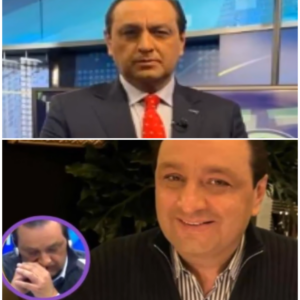
🕯️😭 ¡NOTICIAS CARACOL SE VISTE DE LUTO! Inesperada y Dolorosa Pérdida Sacude al Mundo del Periodismo y Deja un Vacío Imposible de Llenar 📺💔
Triste noticia. Fallece la madre de nuestro queridísimo periodista del canal Caracol, Jorge Alfredo Vargas, el presentador más querido de Colombia. Lucía Angulo, mamá del presentador, falleció a los 81 años. Sus compañeros en noticias Caracol Blue Radio expresaron condolencias…

NOTICIAS CARACOL SE VISTE DE LUTO ! INESPERADA Y DOLOROSA PERIDA SACUDE AL MUNDO DEL PERIODISMO ! 😭
Triste noticia. Fallece la madre de nuestro queridísimo periodista del canal Caracol, Jorge Alfredo Vargas, el presentador más querido de Colombia. Lucía Angulo, mamá del presentador, falleció a los 81 años. Sus compañeros en noticias Caracol Blue Radio expresaron condolencias…
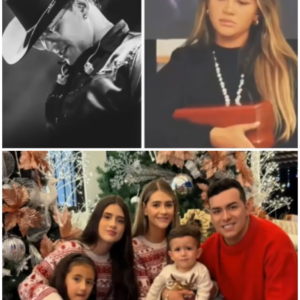
😭🙏 ¡COLOMBIA ENTERA CONMOVIDA! La Esposa de Yeison Jiménez Reaparece con una Publicación Inesperada que Hizo Llorar a Miles 💔🇨🇴
Esposa de Jason Jiménez hace una inesperada aparición a un mes después del fallecimiento del cantante. A un mes de la muerte de Jason Jiménez, su esposa conmovió a sus seguidores al compartir por primera vez un mensaje público en…

ESPOSA DE YEISON JIMENEZ REAPARECE CON UNA INESPERADA PUBLICACIÓN QUE HIZO LLORAR A COLOMBIA 🙏😭
Esposa de Jason Jiménez hace una inesperada aparición a un mes después del fallecimiento del cantante. A un mes de la muerte de Jason Jiménez, su esposa conmovió a sus seguidores al compartir por primera vez un mensaje público en…
End of content
No more pages to load